Menopause Weight Gain Johannesburg | Midlife Body Changes
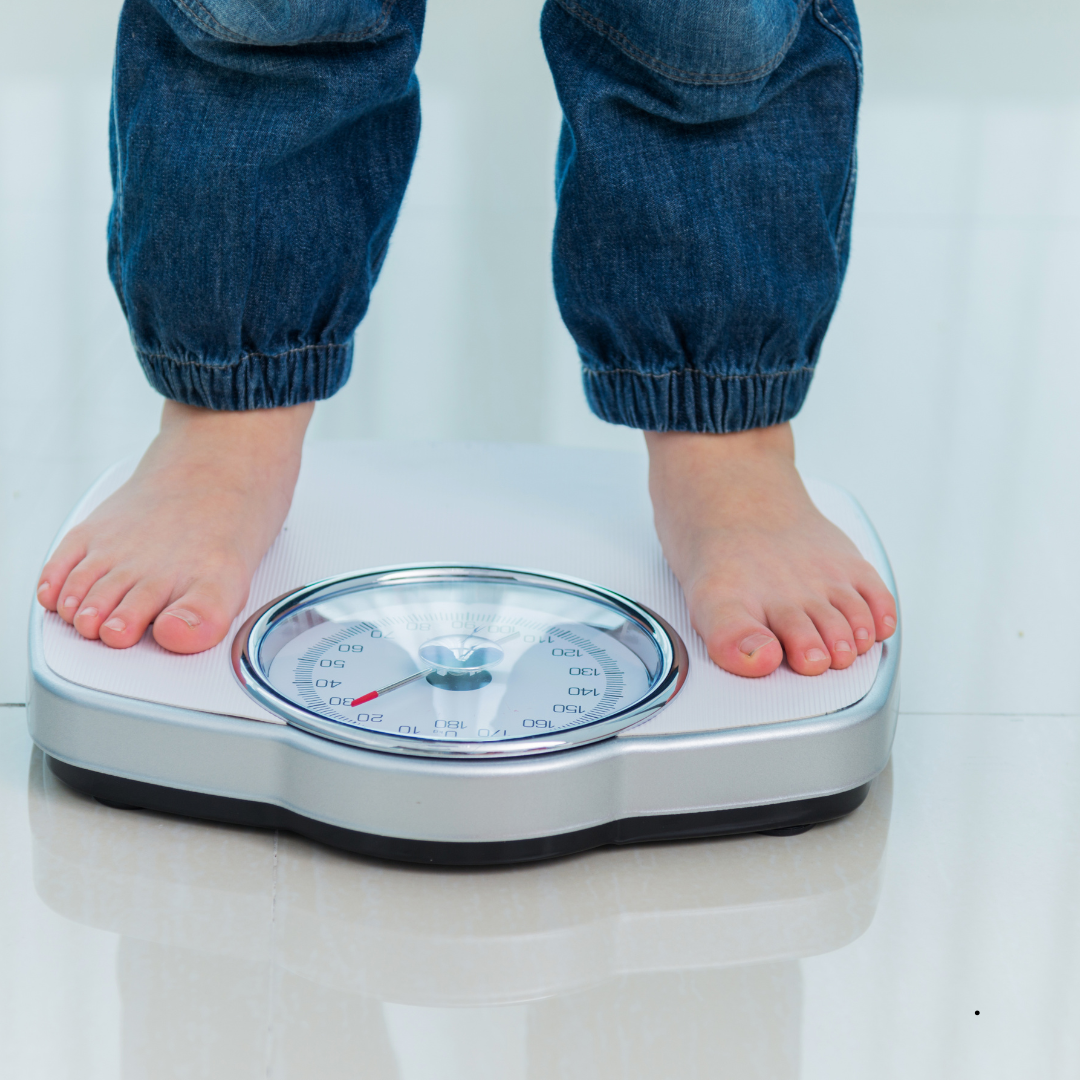
Weight gain and changes in body composition are among the most common concerns women experience during the menopausal transition.
If you are struggling with menopause weight gain, you may notice that your body is changing even though you're eating habits and lifestyle have not changed significantly.
Many women experience an increase in abdominal fat, a loss of muscle tone, and fluctuations in energy levels.
Clothes may fit differently, and weight that once felt easy to maintain may suddenly become more difficult to regulate.
On average, women may gain 2 to 5 kilograms during the menopausal transition, often accompanied by an increase in fat mass and a gradual loss of muscle mass. These changes can influence not only physical health but also self-confidence, body image, and overall quality of life.
For some women, these shifts may feel frustrating or confusing. Clothes may fit differently, energy levels may fluctuate, and weight that once seemed easy to maintain may suddenly become more difficult to regulate.
Although hormonal changes during menopause play an important role, it is important to understand that weight gain during menopause is rarely caused by hormones alone. In most cases, weight changes reflect a combination of hormonal shifts, metabolic adjustments, lifestyle factors, stress levels, sleep patterns, and overall health.
At Radiant Revive Holistics in Johannesburg, menopause is approached as a whole-body transition rather than a purely hormonal event.
Why Weight Gain Happens During Menopause
During perimenopause and menopause, levels of estrogen and progesterone fluctuate and gradually decline. These hormonal changes can influence how the body stores and distributes fat.
Estrogen tends to support fat storage in the hips and thighs, often referred to as gynoid fat distribution. As estrogen levels decrease, fat storage patterns often shift toward the abdomen, known as android fat distribution. This type of abdominal fat is more metabolically active and is associated with increased risks of cardiovascular disease and metabolic disorders.
However, hormonal changes alone do not fully explain weight gain during menopause. Several other biological and lifestyle factors often interact with these hormonal shifts.
Hormones Are Only One Part of the Story
Although estrogen plays an important role in body fat distribution and metabolic regulation, menopause weight gain is rarely caused by hormonal changes alone.
Several other factors often contribute, including:
- chronic stress and elevated cortisol
- disrupted sleep patterns
- blood sugar imbalances
- nutrient deficiencies
- gut health and inflammation
- reduced physical activity
- changes in muscle mass
Because these systems interact with one another, weight regulation during menopause often requires a broader, whole-body approach.
Understanding Your Body Through ClarityScan™
Many women begin their journey with the ClarityScan™ Wellness Assessment, which provides insight into patterns affecting metabolism, nutrient balance, hormonal shifts, and stress load.
Understanding these underlying patterns allows personalised wellness strategies that support the body’s natural ability to restore balance during the menopause transition.
Navigating Body Changes with Understanding
Changes in body composition during menopause can feel emotionally challenging, particularly in a society that often places unrealistic expectations on women’s bodies.
However, menopause is not simply a period of decline. It is a natural biological transition that invites a deeper understanding of the body and its evolving needs.
With the right knowledge, support, and compassionate self-care, many women discover that this stage of life can become an opportunity to build stronger foundations for long-term health and wellbeing.
Disclaimer
Information provided by Radiant Revive Holistics is educational in nature and is not intended to diagnose, treat, cure, or prevent any medical condition.